
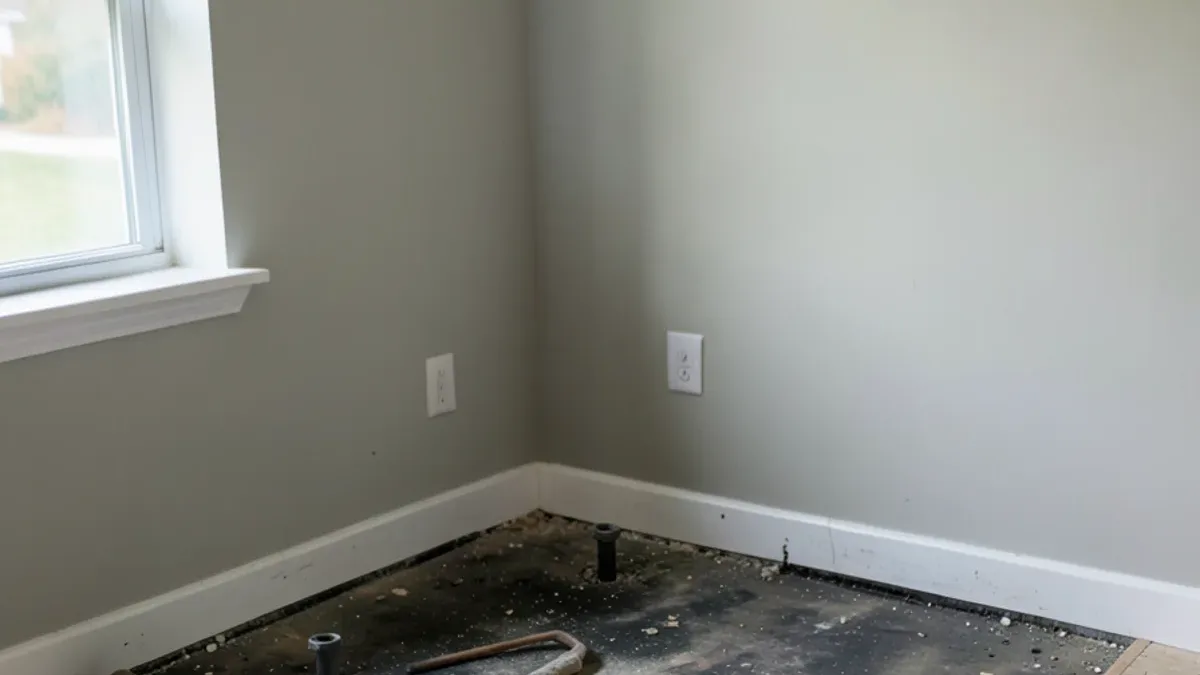
Why remodels go over budget usually traces to four causes: damage hidden behind walls and floors, selections made late or changed mid-project, scope that grows after work starts, and allowances set too low in the estimate. Most are planning problems, not construction problems. Here is where overruns come from on home remodeling projects and what keeps them in check.
Hidden Conditions: The Overrun Nobody Can See
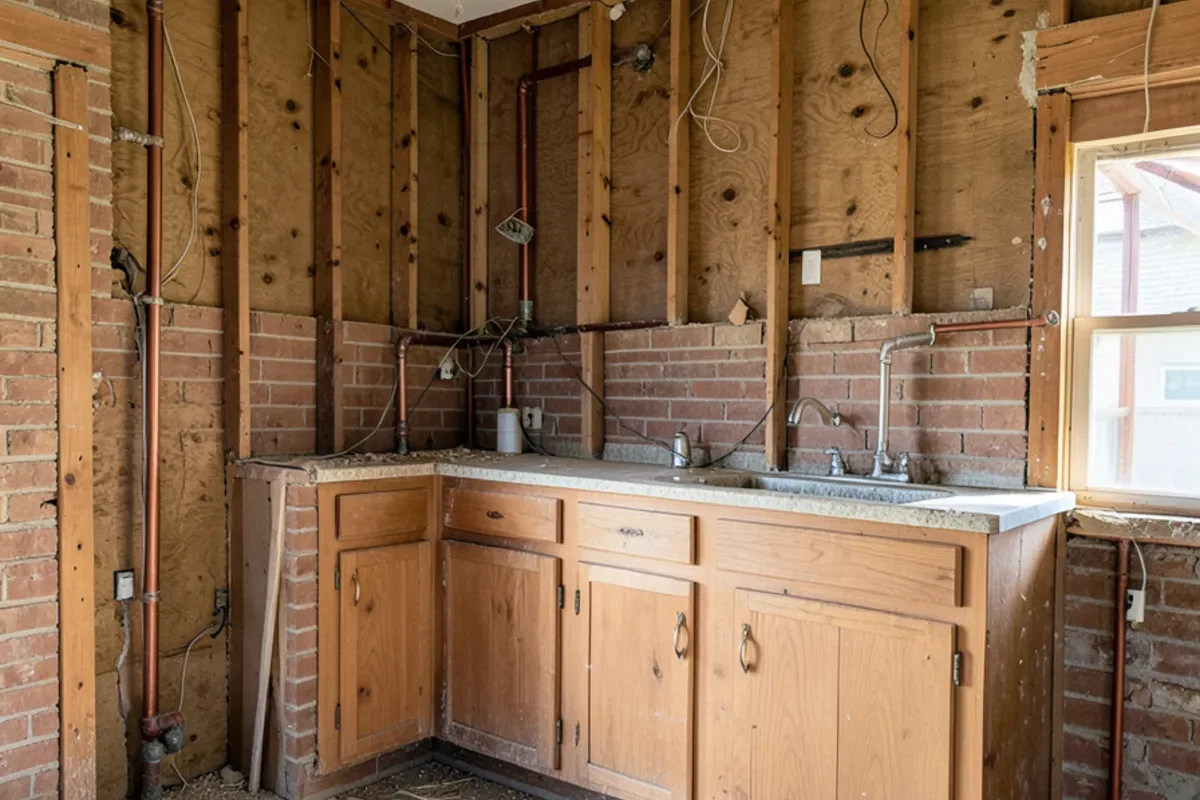
The first cause is the one homeowners fear most: what turns up when walls and floors open. In older Dallas homes, common finds include rotted subfloor under a sink or dishwasher, corroded galvanized supply pipe, cracked cast-iron drains under the slab, ungrounded wiring and framing that was cut for an earlier remodel.
No one can price what no one can see, so these costs are real. What you can control is how much is unknown. Inspecting the attic, the crawlspace or the slab, scoping the sewer line with a camera and having an electrician look at the panel before pricing shrinks the list of surprises.
Foundations deserve a look as well. Much of the Dallas area sits on expansive Blackland Prairie clay that swells and shrinks with moisture, and slab movement can crack new tile or leave cabinets out of level. If floors slope or doors stick, have a foundation specialist evaluate the house before finishes are priced, so any repair lands in the plan instead of the middle of the job.
Planning a Home Remodeling Project?
Six Design Group designs and builds kitchens, baths and floors from Lake Highlands. Call to talk through your home and get a written scope.
- 34 Google reviews
- Design and build under one team
- Based in Lake Highlands, Dallas
- Mon–Fri 9 am–5 pm
How Often Do Remodels Go Over Budget?
More often than not, among owners who set a budget at all. The 2026 U.S. Houzz & Home Study, which covers renovations done in 2025, found that 37 percent of renovating homeowners exceeded their planned spend, 35 percent came in on budget and 3 percent finished under. A quarter started with no budget.
Owners who went over could name more than one reason. Houzz reports these as the top five:
| Reason for going over budget (Houzz, 2025 projects) | Share of owners who went over |
|---|---|
| Products or services cost more than expected | 52% |
| Chose more expensive materials than planned | 35% |
| Project was more complex than anticipated | 32% |
| Changed the scope or design mid-project | 31% |
| Found unexpected construction-related issues | 22% |
Two of the five are choices the owner makes, and the first and third usually trace to a plan that was priced before it was finished. Only the last one is truly hidden until demolition.
Late Selections and Mid-Project Changes
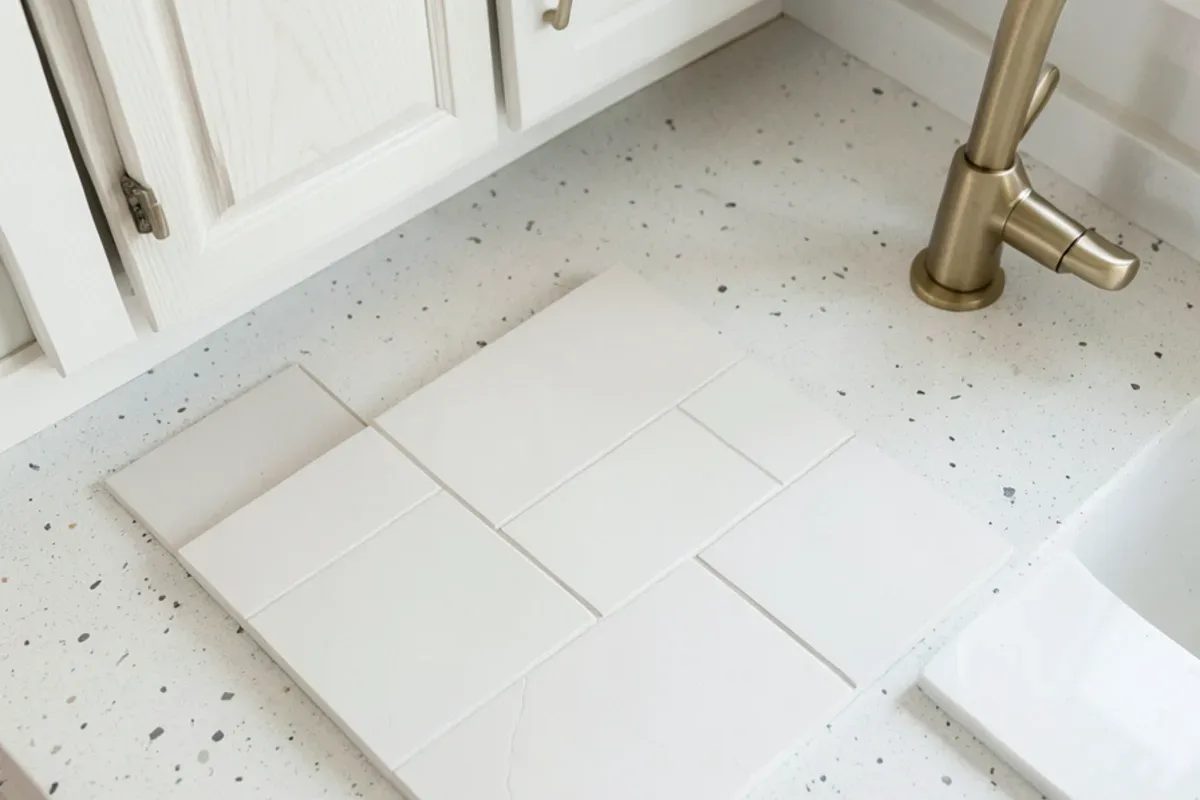
The second cause is decision timing. When tile, cabinets, counters or fixtures are chosen after construction starts, three things happen: the item may cost more than planned, its lead time may stall the crew, and the work around it may need to be redone.
Changing your mind mid-project adds more. Moving an outlet after drywall, swapping a sink after the counter is templated or switching from tile to stone after the backsplash is set each costs labor twice. Making every selection before demolition is the most reliable way to protect a budget.
Scope Creep and Low Allowances
Scope creep is the slow version of a budget overrun. "While you are here" requests, like painting one more room, adding pot lights in the hall or replacing the second bathroom vanity, each feel small. Added together, they can reshape the job.
Low allowances do the same thing from the other direction. An estimate with a modest tile or fixture allowance looks cheaper than one with realistic numbers, but the gap returns when you choose what you actually want. Compare allowances line by line when you compare bids.
How Big Should Your Contingency Be?
Hold back more than you think. Jeff Sweenor, a builder featured by This Old House, recommends a reserve of 15 to 20 percent on large renovations, and the magazine's contractors call 10 percent the least they would set aside. Older houses and projects that open walls, floors and drains belong at the top of that range; a paint-and-flooring refresh in a newer house can sit near the bottom.
Keep the contingency out of the selections budget. If it quietly pays for a nicer countertop in month one, it is gone when a drain fails in month two.
The Most Common Budget Traps, at a Glance
These are the patterns we watch for most often on remodels:
- Hidden damage behind cabinets, tubs and walls, especially in pre-1980 homes
- Late selections that cost more or delay the schedule
- Mid-project changes that undo finished work
- Low allowances for tile, fixtures, lighting or hardware
- Code upgrades triggered when circuits or plumbing are extended, handled by TDLR-licensed electricians and licensed plumbers
- Permit and inspection delays that leave a crew waiting
- Lead-safe work practices required by the EPA in pre-1978 homes, if they were not planned into the estimate
- Phasing in the wrong order, such as refinishing floors before a kitchen remodel
Reading an Estimate for Overrun Risk
Most overruns are visible in the estimate before anyone swings a hammer. Use this table to spot them:
| Line in the estimate | Warning sign | What to ask |
|---|---|---|
| Allowances | Round numbers well below what you have shopped | What item does this allowance assume? |
| Exclusions | Permits, disposal or patching left out | Who pays for each excluded item? |
| Electrical and plumbing | "As needed" with no quantity | How many circuits, outlets or drain moves are included? |
| Demolition | One line with no condition notes | What happens if subfloor or framing is damaged? |
| Schedule | No dates or milestones | When does each phase start and finish? |
| Payments | Large deposit before work begins | Which finished stage triggers each payment? |
An estimate that answers every question in the right column is harder to overrun, because the gaps are already priced or assigned.
Why Remodels Go Over Budget Less Often With a Fixed Plan
A fixed, detailed plan is the best defense. That means finished drawings, every selection made, a line-item estimate with realistic allowances, and a written process for change orders. When the price comes from the same plan the crew builds, there are fewer gaps for extra costs to fill.
This is the strength of design-build remodeling. Because the team that designs the project also prices and builds it, construction cost is checked while the design develops instead of after. For a full comparison, see design-build vs. hiring a designer and a contractor.
Permits matter too. In Dallas, the city's building inspection office reviews structural, plumbing and electrical work, and Garland runs its own permit office. Building review time into the schedule keeps crews from idling while you pay for delays.
What Our Project Leads Do When Something Unexpected Turns Up
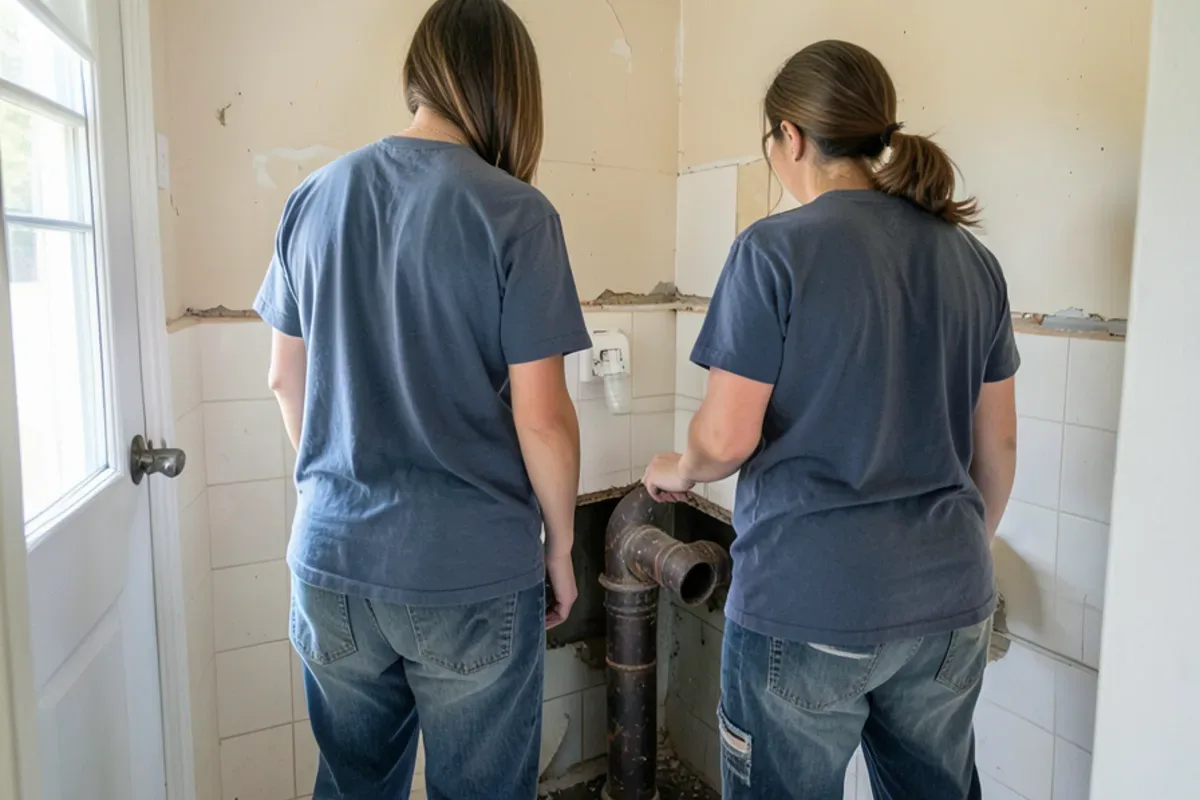
Our project leads treat surprises as a decision for the homeowner, not a line on a final invoice. When demolition uncovers a problem, the aim is to show the homeowner what was found and explain the fix and its cost before that part of the work moves ahead.
Clients notice. Jeff H. wrote in a Google review that the team was "very fair when unexpected issues came up," and Hunter D. noted that his project was kept on budget. That outcome comes from planning the predictable parts tightly so the unpredictable parts have room.
The trade-off we raise with every homeowner is the order of spending. When a surprise eats into the contingency, it is tempting to protect the finishes and cut the fix. We recommend the opposite: repair the drain or the framing properly, then trim an allowance if you must. A downgraded faucet can be replaced later; a patched drain under new tile cannot.
Keeping Your Remodel on Budget
Plan before you build: inspect what you can, choose everything early, size allowances honestly and agree on how changes are handled. To see how that planning works across a full project, explore our home remodeling services or learn how design-build remodeling ties design and price together, then request an estimate.
Quick Answers on Why Remodels Go Over Budget
How much contingency should I set aside for a remodel?
What is an allowance in a remodeling estimate?
Can a contractor charge more for problems found behind walls?
Does a fixed-price remodel contract stop the budget from growing?
Sources

Written by the Six Design Group team
Design-build remodelers based in Lake Highlands, Dallas. We plan and build kitchens, bathrooms, floors and whole-home remodels across Dallas-Fort Worth.